Notice risks in the work environment
Physical conditions can change with the task, the space and the pace of work. A calm review looks for patterns and practical controls without assuming that every workplace has the same risks.
Look beyond the obvious
Start with how people move through and use the space. Ask whether routes remain clear during deliveries, whether storage shifts into walkways, and whether spills, cords or uneven surfaces are addressed through established routines. A clear area at opening time may look different at the end of a busy shift.
Pay attention to lighting, temperature, noise and ventilation as well as floors and storage. The relevance of each condition depends on the activity and the people exposed. Record what was observed, where and when; this makes it easier to distinguish a recurring issue from a one-off observation.
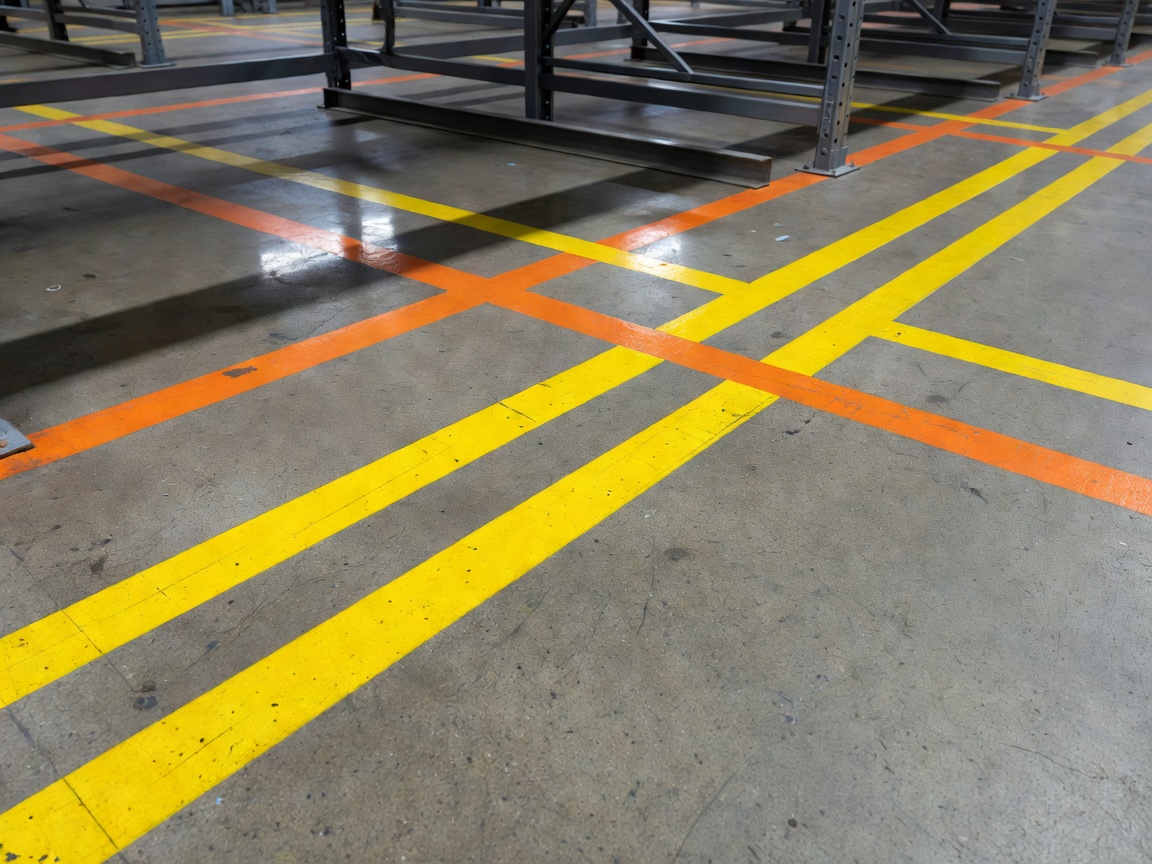
Conditions to include in a walk-through
- Clear routes, safe access and suitable storage arrangements.
- Surfaces, cords, thresholds and changes in floor level.
- Lighting and visibility at the actual point of work.
- Noise, heat, cold, ventilation or other environmental conditions.
- Equipment condition, guarding and access to routine checks.
- How temporary work, deliveries and maintenance affect the area.
From observation to action
Ask workers what they already do to manage the condition and whether that workaround is reliable. Check the applicable reporting process and workplace procedures. If an issue needs attention, agree who will review it and when. Where the situation is uncertain or potentially serious, pause and use the relevant escalation route rather than relying on a general web guide.
Keep the discussion specific: location, task, time, people affected, existing controls and any change that could reduce exposure. A respectful, no-blame approach makes it more likely that people will mention small concerns before they become part of the routine.